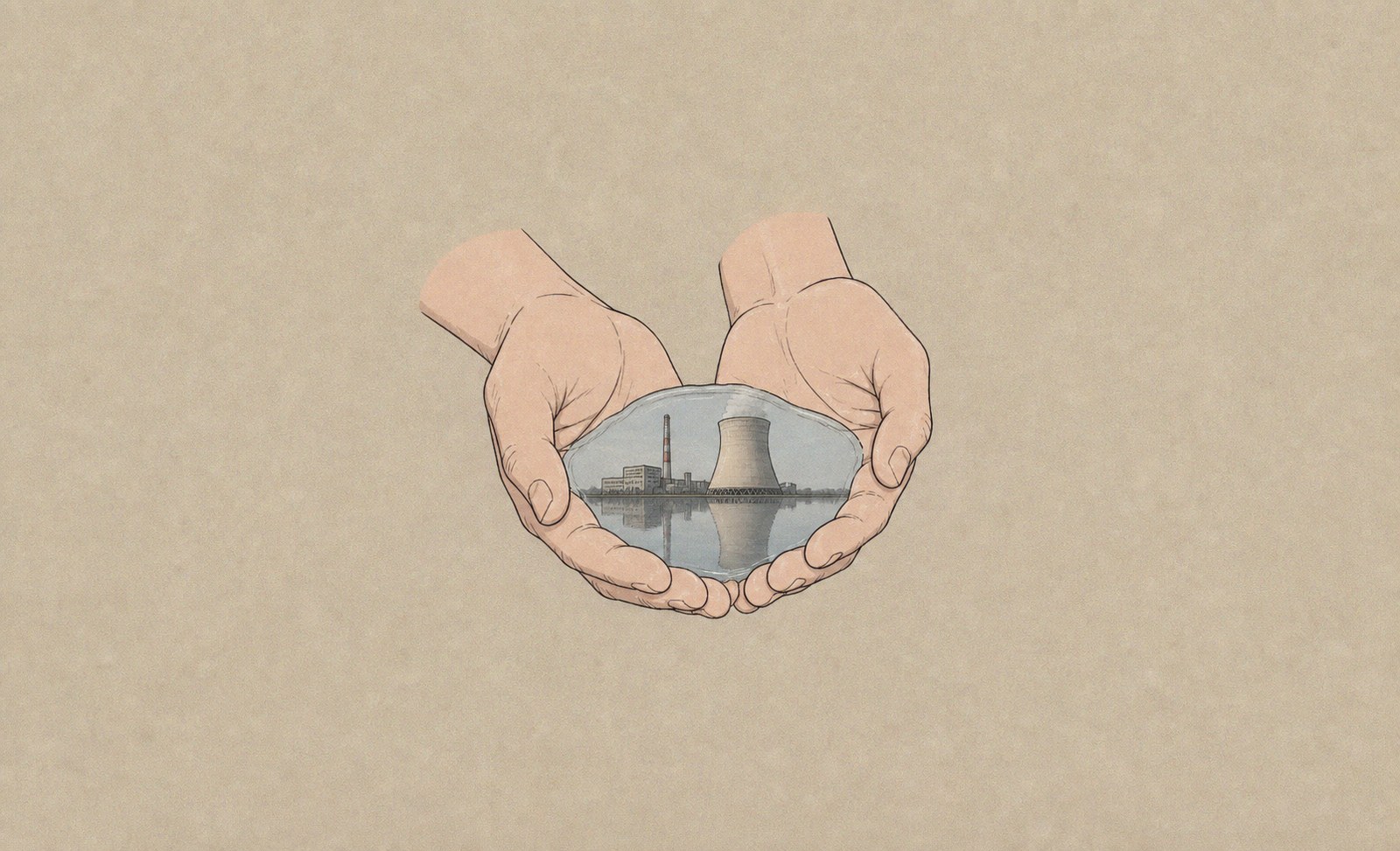
Water is the constraint no industrial thesis in Mexico can ignore
Scarce supply, non-negotiable demand, and a national investment program measured in the hundreds of billions. The setup is unusually legible.
Sources: Aquastat / BBVA Research; BMV / Conagua; Conagua, Monitor de Sequia, 2026; Plan Nacional Hidrico / CIEP. Figures cited are the most recent available at the time of writing and are provided as context, not as investment advice.
Every industrial investment thesis in Mexico eventually collides with the same physical fact: water. The country ranks 26th globally in water stress, and agriculture alone consumes 76% of available supply. An unusually active 2025 hurricane and rainy season pulled national drought coverage down from 49% of the territory in May 2025 to just 7.4% by January 2026, the lowest level in six years. That swing is the point, not a contradiction of it. A water balance that can move from crisis to relief inside a single season of unusually strong rainfall does not have a rainfall problem. It has a structural capacity problem that resurfaces in some form almost every year, regardless of how any single rainy season performs, and it is that structural imbalance, not any single alarming headline, that creates durable investment opportunity rather than a passing trade.
The demand side of a water thesis has a quality investors rarely find: it cannot fall. A city cannot choose to consume less water below a biological floor, and a factory cannot operate without it. When the reshoring wave locates new industrial capacity in exactly the arid northern regions where water is scarcest, it converts water from a social concern into a hard operating constraint, and a precondition for the country's manufacturing ambitions. Without treatment and reuse, industrial growth runs into a physical ceiling. That makes water infrastructure not merely a public good but a bottleneck asset, and bottleneck assets price accordingly.
The government has signaled the scale of the response. The Plan Nacional Hidrico 2024-2030 contemplates investment of roughly 186.6 billion pesos, which does two things for an investor. It confirms the severity of the problem in the state's own numbers, and it establishes a policy framework and a capital pipeline that private participants can underwrite against. The concrete opportunities that follow, treatment plants, industrial reuse systems, and loss-reduction technology in distribution networks, share the financial signature we look for: clients who cannot operate without the service, willing to sign long contracts with whoever guarantees supply. The revenue is contracted, the demand is structural, and the counterparties are durable.
The risks are principally regulatory and execution-related. Water in Mexico is heavily regulated and politically sensitive, which means concession structuring, tariff frameworks, and counterparty selection are central to protecting a return. Project execution, building and operating treatment and reuse infrastructure to standard over long horizons, is where returns are ultimately determined. And the sector is still nascent in private hands, which is simultaneously the source of the opportunity and a reason for caution, because early markets reward operators who can navigate ambiguity and punish those who cannot.
It is the same pattern we look for across the portfolio: a structural, cycle-insensitive need, with long-term contractable cash flows and a common-good dimension that is difficult to overstate. Investing in water is not only a sound financial proposition. It is participation in the single resource on which every other investment thesis in the country ultimately depends.
The operators and financiers who understand water's centrality early, while the sector is still forming, will shape how it gets solved, and will do so from the most defensible position in any market: ownership of the constraint.
At MountainStone we build and invest in opportunities like this one. If you are developing, operating, or financing in this space, we would welcome the conversation.